

Author: Kylie Register
Published on: 10/19/2026
Categories: Hurricane Preparedness, Water/Wastewater
Hurricane Preparedness for Water Systems
There’s a particular kind of quiet that settles over a utility office in the days before a hurricane makes landfall. Radar loops replace spreadsheets on every monitor. Phones ring a little more often. Somewhere in a control room, an operator is working through a plan because hurricane preparedness for water systems, done right, means nobody outside the utility ever has to think about what almost happened.
That’s the goal of good hurricane preparedness: not heroics in the storm, but boring, uneventful outcomes because the hard work happened weeks earlier. Water and wastewater systems are among the most storm-exposed infrastructure a community has: low-lying intake structures, pump stations that double as flood magnets, and treatment plants that need power and chemicals just to keep running. But they’re also among the most preparable. With the right playbook, a utility can ride out a major storm with service intact or get back online fast if it isn’t.
This isn’t a doom-and-gloom checklist of everything that could go wrong. It’s a practical look at what resilient utilities actually do differently‚ before, during, and after a hurricane‚ so your team can spend less time reacting and more time executing a plan you already trust.
Consider the utilities that make it through a Category 3 storm with barely a blip in service. They aren’t lucky. They’re the ones where someone spent an afternoon in March confirming a generator would actually start, or where a supervisor insisted on a tabletop exercise even though the team groaned about the time it took. Preparedness, in this world, looks a lot like maintenance: unglamorous, easy to postpone, and the single biggest factor in how the next storm goes.
Why Water Infrastructure Needs Its Own Storm Playbook
Hurricanes hit water systems in ways that don’t always make the evening news. Wind gets the headlines, but effective hurricane preparedness for water systems means looking past wind and focusing on the real threats: water and power.
- Storm surge and flooding can inundate low-lying treatment plants, lift stations, and electrical equipment, sometimes shutting down facilities that never lost a single roof panel.
- Power outages‚ even brief ones‚ can halt pumps and treatment processes, which is why generators and fuel planning matter as much as physical storm-hardening.
- Heavy rainfall can overwhelm collection systems, spike influent flows at wastewater plants, and wash contaminants into source water, straining treatment capacity right when it’s needed most.
- Debris and access issues can strand crews from critical sites for days, turning a manageable repair into an extended outage simply because nobody could reach the valve.
The common thread here is that most hurricane damage to water systems is a chain reaction, not a single event. Wind knocks out a power line. The outage stops a pump. The stopped pump lets a lift station overflow. The overflow becomes a boil-water notice. Every link in that chain is a place where preparation can break the cycle before it starts.
Before the Storm: Hurricane Preparedness for Water Systems Starts Early
Know Your Vulnerabilities
Every utility has an asset inventory. Fewer have a vulnerability map — the subset of assets that are low-lying, power-dependent, or hard to access under flood conditions. Before hurricane season starts, walk your system with fresh eyes
Revisit this annually — flood maps, development patterns, and equipment all change over time.
Ask Yourself:
- Which facilities sit in surge-prone or flood-prone zones?
- Which pump and lift stations have single points of failure?
- Where would floodwater most likely infiltrate electrical panels or chemical storage?
Harden the Physical System and the Power Behind It
Physical resilience upgrades don’t have to happen all at once, but they compound over time.
Even modest steps, like moving a spare parts cabinet off a low shelf or bolting down an outdoor enclosure, add up.
What to Do:
- Elevate critical electrical components above expected flood elevations.
- Install or test backflow prevention on collection systems in flood-prone areas.
- Secure chemical storage away from inundation risk.
- Size generators for actual peak demand and test them under load, not just idle.
- Lock in fuel supply agreements before storm season, when fuel trucks get busy fast.
Rehearse the Plan and Stock the Shelves
An Emergency Response Plan that lives in a binder nobody’s opened since the last audit isn’t a plan, it’s a formality. Get these in place before a storm enters the forecast cone, so your team isn’t competing with the entire region for the same supplies.
You Should Have:
- A clear chain of command and pre-identified mutual aid agreements.
- A tabletop exercise run at least once a year, ideally before hurricane season.
- Standing inventories of fuel, spare pumps, and treatment chemicals.
- Backup communication equipment, like satellite phones, in case cell networks go down.
During and After: Executing the Plan
When the storm arrives, the best utilities aren’t improvising, they’re executing decisions made weeks earlier. Ride-out crews follow pre-established staffing plans, teams monitor systems remotely via SCADA for as long as it’s safe, and life-safety priorities like drinking water pressure and wastewater containment take precedence over everything else. Documenting conditions in real time, where it’s safe to do so, pays off later for damage assessments and reimbursement claims.
Recovery is its own discipline, and rushing it tends to create new problems. Flooded electrical equipment needs a professional inspection before it’s re-energized. Water quality gets tested before any advisory is lifted, since pressure loss anywhere in the system is reason enough to sample first. Collection systems get checked for floodwater infiltration, which can overload treatment plants for weeks after the storm itself has passed. The best time to update the Emergency Response Plan is within a few weeks of using it, while the lessons are still specific rather than generalized in hindsight.
Resilience in Action: Utilities That Got It Right
It’s worth pausing on real examples, because they make the case better than any checklist can: preparation works.
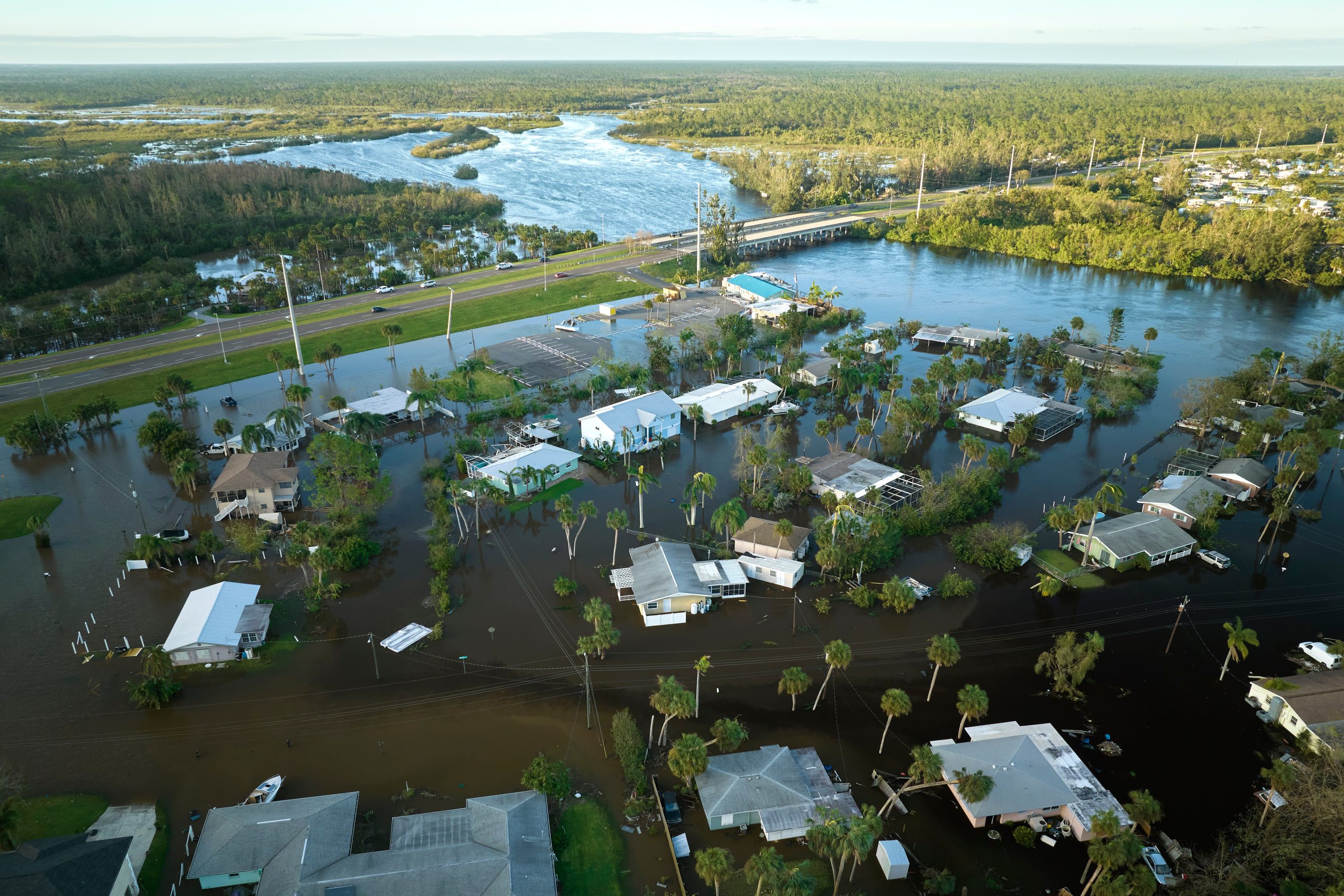
When Hurricane Ian tore through Southwest Florida in 2022 as one of the most destructive storms to hit the Gulf Coast in years, Bonita Springs Utilities was able to tell its customers something remarkable in the aftermath, the water was safe to drink. Boil water notices affected only a handful of streets where local lines needed repair, and customers elsewhere in the service area needed no advisory at all. That outcome didn’t happen by chance. It happened because the utility’s infrastructure and response plan held up under conditions that knocked out power and flooded homes across the region.
The 2017 hurricane season offers an even more striking example, backed by industry recognition rather than just anecdote. Jacobs Engineering Group was honored with the Water Environment Federation’s 2018 Water Heroes Award for the work of four Florida-based operations teams‚ serving The Villages, Key West, West Melbourne, and Pembroke Pines ‚ who together kept water and wastewater service running for more than 345,000 residents through Hurricanes Irma and Maria. More than 230 staff coordinated across sites, sharing skills and resources statewide, with many living and working at their facilities voluntarily throughout the storms, and their extensive pre-storm preparations were credited with preventing facility overflows and speeding the return to normal service once the storms passed.
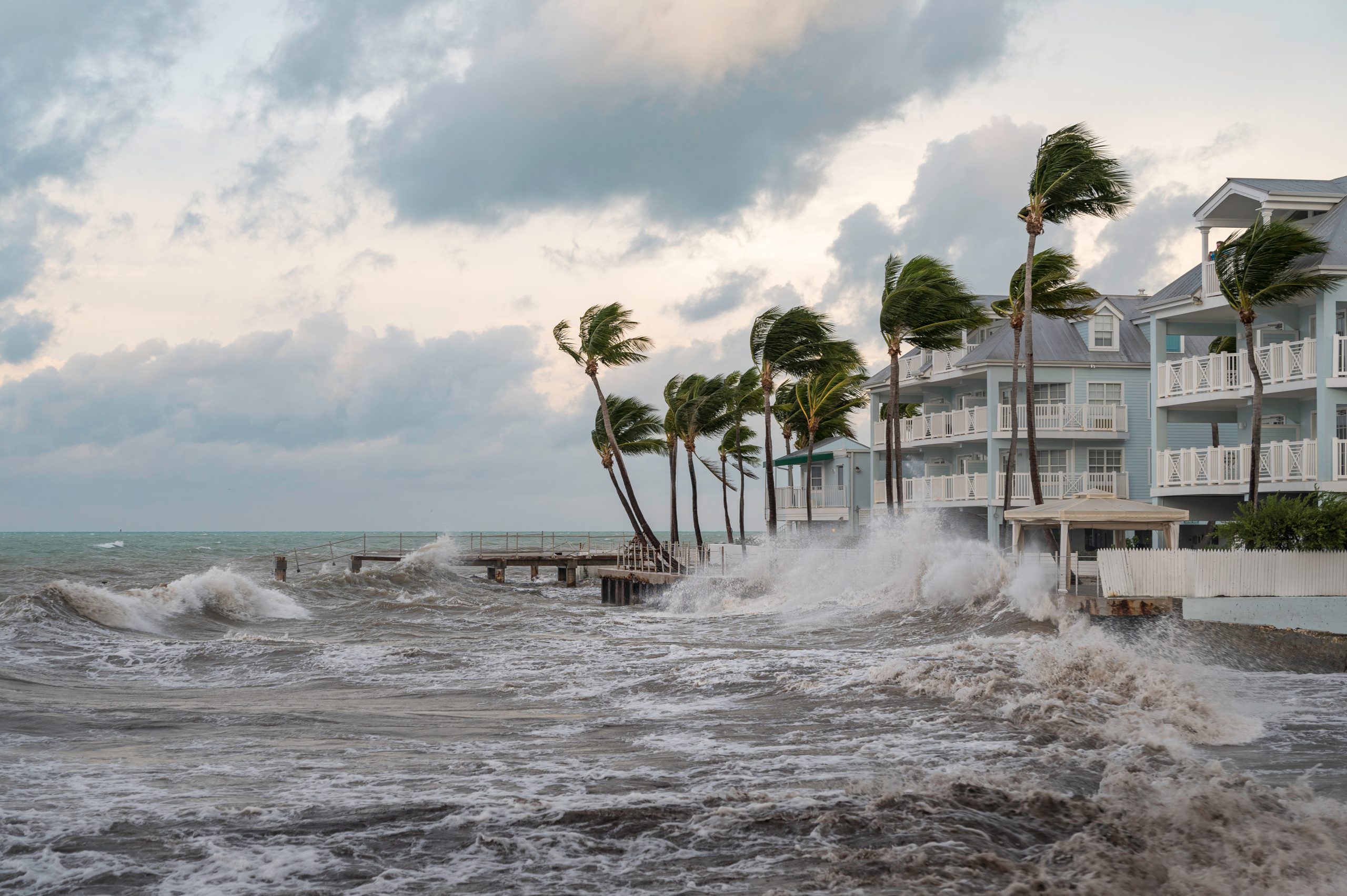
Neither of these outcomes came from luck or newer equipment. They came from the same fundamentals covered above‚ tested generators, rehearsed emergency plans, staff who knew their roles before the wind picked up. That’s the throughline worth remembering: the utilities that make headlines for the right reasons are usually the ones that did the unglamorous work long before the storm had a name.
The Bottom Line
Hurricane preparedness for water infrastructure isn’t about eliminating risk‚ that’s not realistic for systems built around low elevations, open water, and long stretches of exposed pipe. It’s about narrowing the range of outcomes so that when a storm does hit, your team is executing a plan instead of inventing one.
None of this requires a massive capital budget or a total system overhaul to get started. Resilience tends to build in layers‚ a hardened electrical panel this year, a renegotiated fuel contract next year, a mutual aid agreement, like FlaWARN, finalized the year after that. What matters most is starting the layering now, well before the first named storm of the season shows up on anyone’s radar, so that by the time it matters, the plan isn’t new. It’s just Tuesday.
Want a hurricane preparedness checklist to reference and print? Submit your email below to download!
Frequently Asked Questions About Hurricane Preparedness for Water Systems
Answers from the Center for Training, Research and Education for Environmental Occupations, the university’s environmental training hub, offering non-credit continuing education courses and certificate programs for environmental professionals.
Hurricane preparedness is important for water and wastewater systems because they are among the most storm-exposed infrastructure in a community. Low-lying intakes, flood-prone pump stations, and treatment plants that depend on power and chemicals are all vulnerable. Advance planning helps utilities keep service running or restore it quickly.
The biggest hurricane threats to water systems are flooding and power loss, not wind. Storm surge can inundate treatment plants and lift stations, outages can halt pumps and treatment processes, heavy rain can overwhelm collection systems, and debris can block crews from reaching critical sites.
A water utility can prepare for a hurricane by identifying vulnerable assets, elevating critical electrical equipment, securing chemical storage, testing generators under load, and locking in fuel supply agreements before storm season. Utilities should also stock spare pumps and treatment chemicals and arrange mutual aid agreements in advance.
A water utility should run a tabletop exercise of its Emergency Response Plan at least once a year, ideally before hurricane season. The plan should also be updated within a few weeks of any real activation, while the lessons from the event are still specific.
After a hurricane, a water utility should have flooded electrical equipment professionally inspected before re-energizing it, test water quality before lifting any advisory, and check collection systems for floodwater infiltration. Infiltration can overload treatment plants for weeks after the storm has passed.
Water utilities should start preparing well before hurricane season. Fuel contracts, spare equipment, and treatment chemicals are easiest to secure before a storm enters the forecast, when regional demand is still low.
FlaWARN is Florida’s Water/Wastewater Agency Response Network, a mutual aid program that lets utilities share personnel, equipment, and expertise during emergencies. Joining a mutual aid network before a storm means a utility can request help quickly instead of competing for resources once a hurricane is forecast.